
Advanced Inkjet Ink Characterisation
Understanding Fluid Behaviour for formulation and waveform Optimisation
Thursday 16 - Friday 17 July 2026
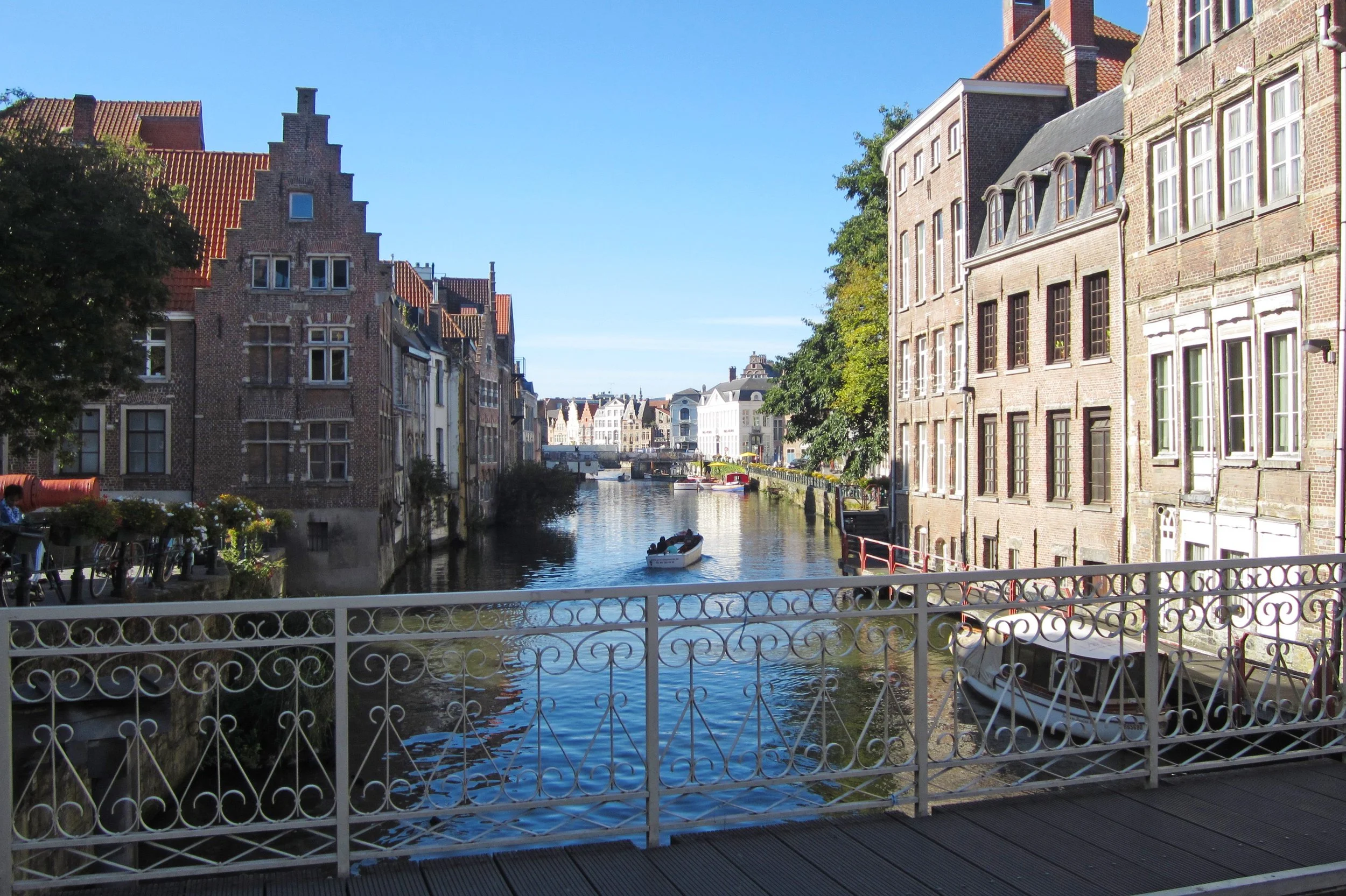
Novotel Gent Centrum, Ghent, Belgium
COURSE FOCUS
Modern inkjet inks must do far more than simply meet viscosity, surface tension and particle size specifications. They must remain stable during storage, circulate reliably through complex fluid systems, respond correctly to drive waveforms, jet consistently at high frequency, land accurately on the substrate and deliver the required final performance. Achieving this demands a deep understanding of the interplay between fluid properties, printhead physics, drive waveform and overall system design.
Led by Dr Tri Tuladhar of TriJet, this intensive 1.5-day workshop delivers a practical and systematic approach to industrial inkjet technology, combining scientific principles with real production experience. The course follows the complete journey of the ink — from bottle to printhead, droplet ejection and flight, substrate impact and drying — explaining the critical physics in both Drop-on-Demand (DoD) and Continuous Inkjet (CIJ) systems.
Participants will gain a clear understanding of how ink formulation, waveform design and print conditions interact to determine jetting reliability, print quality and manufacturing robustness. Particular emphasis is placed on the ability to formulate reliable inks from the outset, fine tune existing formulations, and rapidly optimise waveform features to achieve stable and consistent jetting. The course is especially relevant for formulators, R&D scientists, process engineers, printhead specialists and technical managers seeking to accelerate development, solve recurring jetting issues and improve overall system performance.
A key focus of the course is using state-of-the-art analytical tools for advanced ink characterisation. Participants will learn how to measure properties at the timescales and flow conditions relevant to inkjet printing, helping to understand inks that appear identical in standard lab tests but behave very differently in a printhead. These methods can be used at an early stage to predict jetting behaviour, optimise operating temperature and determine suitable drive waveforms.
COURSE OUTLINE
Thursday 16 July 2026
13:00 - 13:30 Registration
13:30 Course begins
Overview of industrial inkjet printing technologies and applications
Printhead mechanics, nozzle architecture and fluid delivery systems
Ink properties that matter most in modern inkjet systems
Ink formulation challenges, raw material and additive selection
Why standard viscosity data is often not enough
Surface tension, density, speed of sound and their effect on jetting
Shear rheology: low, medium and high shear behaviour during printing
17:00 Session ends
17:00 - 18:00 Reception
Join us for beers, wines and good company!
Friday 17 July 2026
09:00 Session begins
High-frequency rheology relevant to drive and print frequencies
Extensional rheology relevant to ligament stretching and drop break-off
Viscoelastic effects on waveform response and droplet formation
Waveform generation, meniscus motion and damping behaviour
Predicting optimum jetting temperature and print frequency
Static vs dynamic surface tension and surfactant behaviour
12:30 - 13:30 Lunch
13:30 Session begins
Wetting, spreading, substrate interaction and drying processes
Particle size, agglomeration, sedimentation and dispersion stability
Filtration strategy and nozzle reliability
Linking measurements to satellites, misting and jet instability
Diagnosing print defects through fluid characterisation
Fast screening methods versus deeper analytical techniques
Real industrial case studies and troubleshooting examples
17:00 Course ends
COURSE LEADER
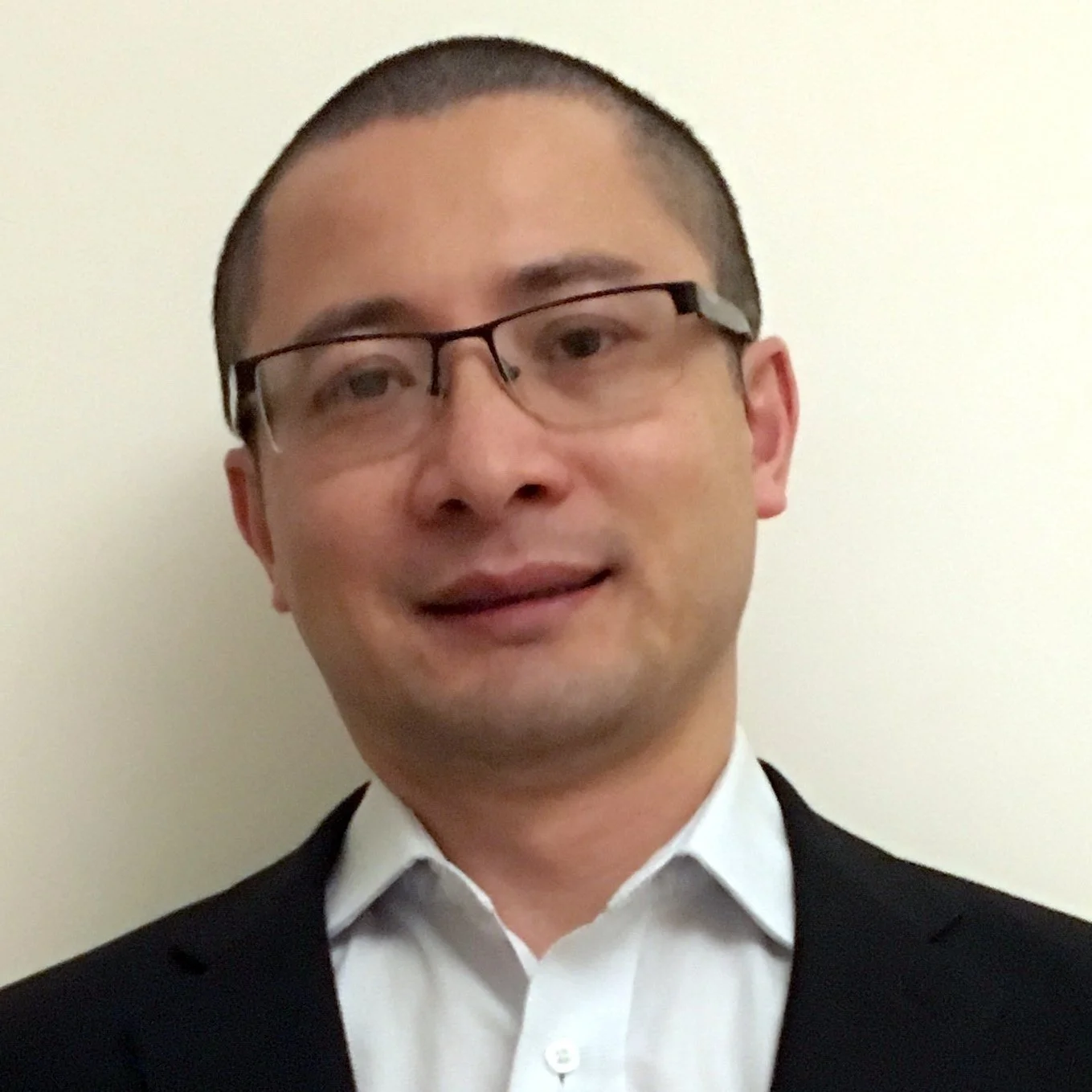
Dr Tri Tuladhar, Principal Consultant
Trijet, UK
Dr Tri Tuladhar holds a Ph.D. in Chemical Engineering from the University of Cambridge and bachelor’s degree at RMIT University, Australia. With over 20 years of R&D experience in both academia and industry, he has specialised in the complex rheology of inkjet inks since 2005, pioneering methods that link fluid rheology to jetting performance.
As Founder and Head of Trijet Limited, Dr Tuladhar leads advanced rheological characterisation and optimisation of inkjet inks, formulates specialty paints, glass enamels, and functional inks, and designs bespoke rheological tools. He also delivers bespoke workshops and training courses for industrial clients, sharing his expertise in ink formulation and jetting process optimisation.